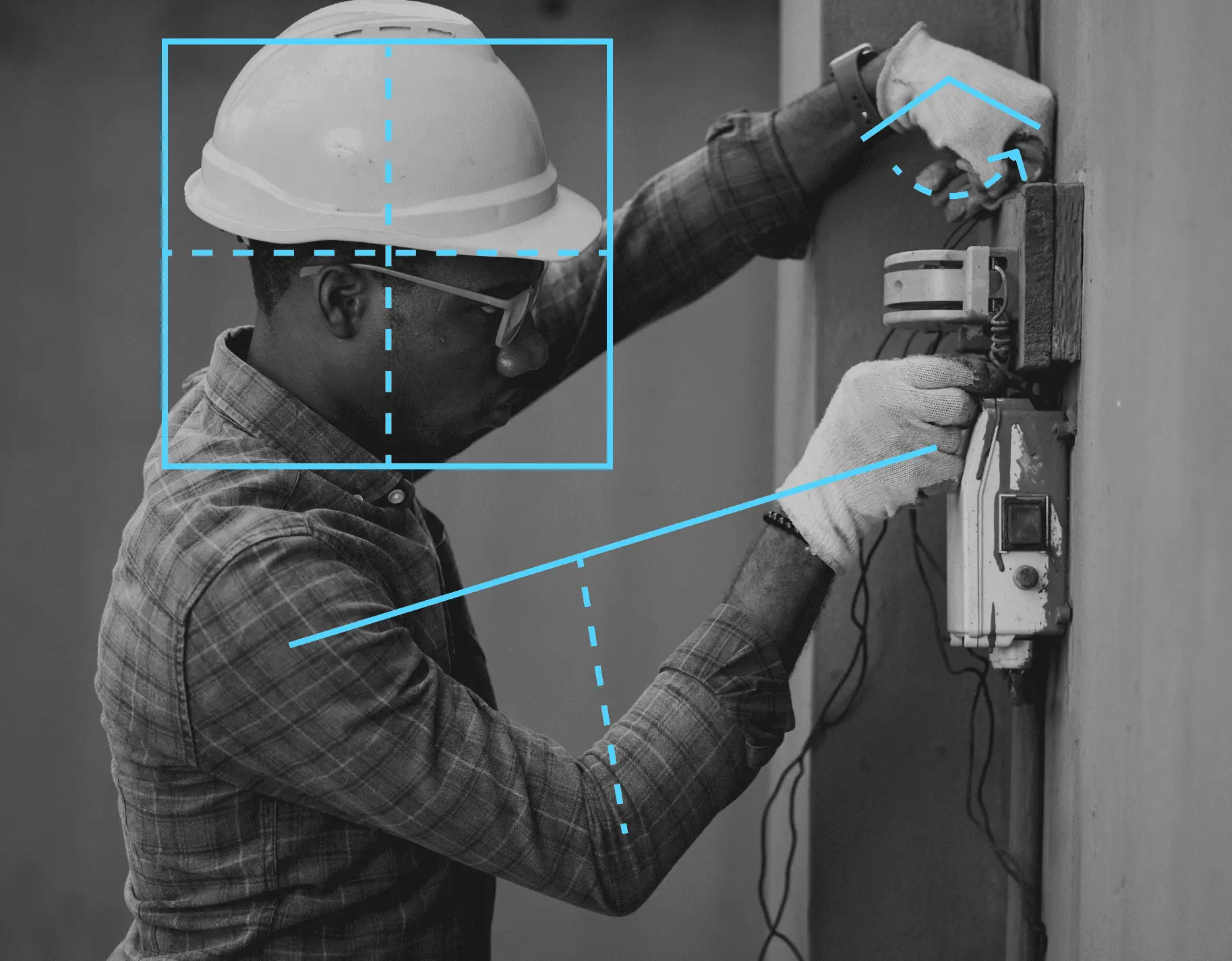

NFPA 70E + OSHA: When the Electrical System Becomes a Workplace
Eventually, every electrical project becomes someone else’s workplace.
The engineers finish the design. Construction crews leave. Commissioning ends.
Then operations and maintenance inherit the system.
Employees and contractors now have to inspect equipment, operate disconnects, troubleshoot faults, perform preventive maintenance, test circuits, replace components, and respond when something fails.
This is where NFPA 70E and applicable OSHA requirements become especially important to the EHS conversation.
Organizations need more than PPE.
They need an electrical safety program that establishes who is qualified to perform electrical tasks, when equipment must be de-energized, how electrically safe work conditions are established, how shock and arc-flash risks are assessed, how hazardous energy is controlled, and how employees are trained.
Lockout/Tagout deserves particular attention.
Modern electrical systems can contain multiple sources of energy. Utility power, generators, UPS systems, batteries, capacitors, redundant feeds, and distributed-energy sources can complicate isolation.
Opening one disconnect does not automatically mean equipment is safe to touch.
Workers must understand the system, identify every applicable energy source, establish appropriate isolation, address stored energy, and verify the condition required for the work.
This is where years of design and engineering decisions finally meet the worker.
If the system was designed with safe isolation, accessibility, maintainability, and de-energized work in mind, the electrical safety program becomes stronger.
If it was not, EHS may be left managing engineering problems through procedures and PPE.
That is why NFPA 70E and OSHA should not be viewed as the beginning of electrical safety.
They represent the worker-protection end of a much larger electrical safety lifecycle.
The strongest electrical safety program begins long before someone puts on arc-rated PPE. It begins when the electrical system is designed.
At iErgoFit, we understand that NFPA compliance is a critical part of safely designing, constructing, energizing, and operating complex electrical systems. From NFPA 70 requirements for electrical installations to NFPA 70E practices for protecting workers from electrical hazards, successful projects require clear planning, qualified personnel, and strong field execution.
Related Posts
-
-
Why DC Electrical Systems Matter for Safety
17 Aug 2026 -
-
-